Research
AI Chef: Redefining Flavour Across Borders


Research
With artificial intelligence, there is no longer a stranger to the world of food and hospitality. The year 2025 brings a new era where AI is reshaping menus, kitchens, and culinary creativity worldwide. The students and faculty at Sri Maniya Institute of Hotel Management understand this revolution. They master the trends and tools that transform careers and dining experiences.
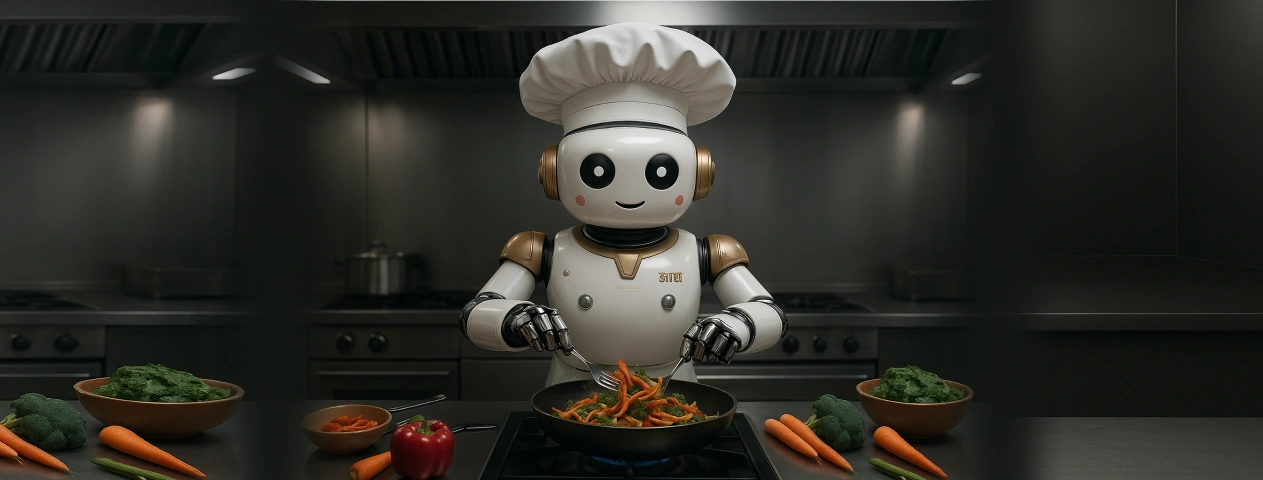
AI-powered chefs facilitate fusion cuisine like never before. They draw ingredients and inspiration from every corner of the globe. Algorithms and platforms analyse vast databases across trending flavours, traditional recipes, and dietary preferences, then blend these into culturally inclusive dishes. Think of an AI curating a wedding menu that fuses Indian spices with Korean flavours, or a hotel management chef using AI to reinvent the classic dishes with a twist that delights global palates in the process.
The world’s first AI-driven restaurant is opening in Dubai, introducing “Chef Aiman”, an artificial intelligence capable of curating entire menus without tasting food. Unlike robotic arms that simply cook, Chef Aiman focuses on data-driven gastronomy. It studies the chemical composition of ingredients, predicts flavour harmony, and designs sustainable dishes. Meanwhile, in the UK, companies like Moley Robotics have developed fully automated kitchens that can prepare pre-programmed recipes with precision comparable to professional chefs.
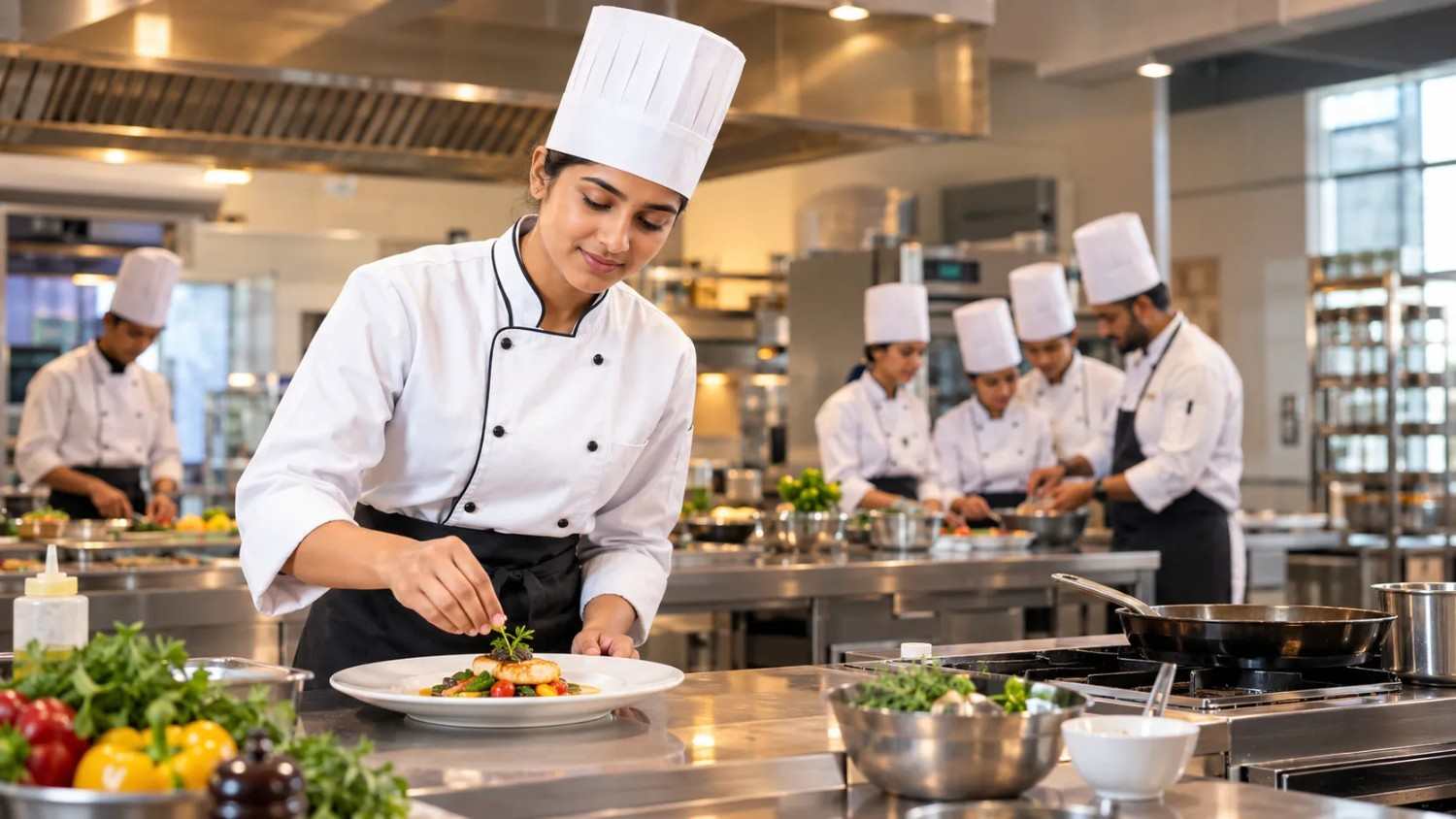
The impact of artificial intelligence goes beyond recipe creation. In the state-of-the-art kitchens of Dubai and Singapore, AI systems lessen waste, optimize inventory, and streamline every aspect of meal preparation. Robotic sous-chefs, smart ovens, and automated scheduling become the standard features. This not only raises the consistency and productivity, but it also empowers chefs to focus on guest experience and artistry.
One of AI’s greatest contributions to hospitality is hyper-personalisation. AI-driven menus can suggest dishes based on a guest’s past visits, allergies, or dietary needs, ensuring that every diner feels seen and valued. The integration of wellness and taste, from gut-friendly foods to plant-based and low-sugar options, is driven by data and AI-curated recommendations. As the world becomes more conscious of health, these individualised experiences are fast becoming the gold standard.
Sustainability is central to the future of the culinary arts. AI Chefs are taught to upcycle ingredients, optimise purchasing to reduce food miles, and design zero-waste kitchens. By minimising unnecessary waste and maximising every part of an ingredient, AI-driven operations not only protect the planet but also improve a restaurant’s bottom line—a principle every hotel management student should master.
An AI Chef operates at the crossroads of science and artistry, functioning much like a culinary research scientist. It can analyse thousands of recipes to identify flavour patterns, ingredient compatibility, and cultural preferences, thanks to its access to vast culinary databases. By employing machine learning, the AI Chef creates innovative combinations inspired by global cuisines, ensuring each new dish is both creative and palatable. Additionally, it predicts the nutritional value and caloric content of recipes and can estimate their environmental impact for more sustainable dining. Through data-driven workflow optimisation, it minimises food waste and enhances energy efficiency, making kitchen operations both smarter and greener. Essentially, an AI Chef transforms traditional cooking into a measurable, predictable, and sustainable process that harmonises creativity with scientific precision.
AI Chefs matter because they bring a new dimension to nutrition and sustainability in food service. By harnessing advanced algorithms, an AI Chef can tailor meals to each individual's dietary requirements—making it a game-changer for hospitals, elderly care, and specialised healthcare, where nutritious, personalised meals assist recovery and improve adherence to dietary plans. On the sustainability front, systems like Chef Aiman cut food waste by reusing trimmings and optimising ingredient use, promoting greener and more efficient kitchens. As countries like the UAE, UK, and Japan pioneer AI-driven gastronomy, we see a future where food design is informed by data science, sparking global innovation. Additionally, AI ensures strict consistency and hygiene in food preparation, which is crucial for both restaurants and medical facilities—creating safer dining and elevated nutritional standards for all.
Despite its promise, the AI Chef faces notable challenges and ethical questions. Most significantly, AI cannot taste or smell, meaning human chefs must validate flavour outcomes to preserve culinary authenticity and emotional resonance in dishes. There is a risk that cultural uniqueness may be diminished if AI systems standardise recipes across borders, potentially losing the nuanced traditions that define local cuisines. While technological advances bring efficiency and precision, they cannot replace the irreplaceable human touch and intuition in cooking. Additionally, the high infrastructure and training costs limit AI Chef adoption to affluent or high-end facilities, making it less accessible to smaller restaurants or communities.
The future of AI chefs is set to transform both healthcare and dining, perfectly aligning with the movement toward preventive and personalised nutrition. Imagine hospital cafeterias powered by AI that serve meals tailored to each patient’s blood sugar, cholesterol level, or recovery rate, ensuring optimal nutrition for healing. In restaurants, AI could design “mood meals” calibrated for individual emotional well-being or stress, blending culinary delight with clinical science. By analysing vast datasets, these systems will enable data-driven meal plans that unite gastronomic pleasure with evidence-based health benefits. What began abroad as a high-tech novelty is poised to become a true healthcare innovation—bridging medicine and gastronomy and marking a leap forward in how we nourish the body and mind.
For future hospitality professionals, learning to collaborate with AI is essential. Continuous education in tech tools, partnership with culinary technology providers, and openness to innovation will distinguish leaders in the industry. Whether it’s developing AI-curated pop-up experiences or using technology to make dining more immersive, the opportunities are truly global and limitless.
AI Chef Abroad isn’t just a trend—it’s a paradigm shift. By redefining flavours across borders and matching technology with human creativity, the hospitality industry is being shaped by a new era of intelligence, empathy, and culinary adventure.
The rise of the AI Chef isn’t about replacing human chefs. It’s about expanding what’s possible through the collaboration of technology and creativity. Much like how AI supports doctors by analysing diagnoses, it now assists chefs in designing recipes, predicting ingredient compatibility, and ensuring precise execution. The kitchen of the future is poised to deliver not just food, but also personalised wellness and sensory delight, all guided by intelligent algorithms that understand the science of taste as deeply as the art of care. This partnership elevates the chef’s role, letting humans focus on innovation, presentation, and emotional connection while AI handles routine and complex analysis—ensuring that technology augments, rather than replaces, the soul and artistry at the heart of great cuisine.