Blogs
Hospitality Leadership Skills for Future Hotel Management Professionals


Blogs
Hospitality leadership skills are essential for students who want to build successful careers in hotel management. These skills allow professionals to manage teams well, maintain service quality, solve daily issues and improve guest satisfaction. As the hospitality industry grows, employers increasingly value candidates who can combine operational knowledge with strong leadership abilities. This article explores the key leadership skills needed for long-term success in hospitality.
Hospitality leadership is the ability to guide people, manage operations and maintain high service standards while achieving business goals. Hospitality leaders work with employees, guests, suppliers and management teams to keep operations running smoothly.
Unlike many industries where employees may work behind the scenes, hospitality professionals interact directly with guests every day. This makes leadership especially important because guest satisfaction often depends on how effectively teams are managed.
A hospitality leader is responsible for:
Whether working in a luxury hotel, business hotel, resort, restaurant or event venue, leadership skills remain essential.
Hospitality is a fast-paced industry where guests now expect higher service standards than before. A small service issue can affect customer reviews, repeat bookings and business reputation.
Strong leadership helps organizations:
Hotels that provide excellent guest experiences often have strong leaders guiding their teams and maintaining high service standards.
Leadership also creates a positive workplace culture. When employees feel supported and valued, they stay motivated and deliver better service to guests.
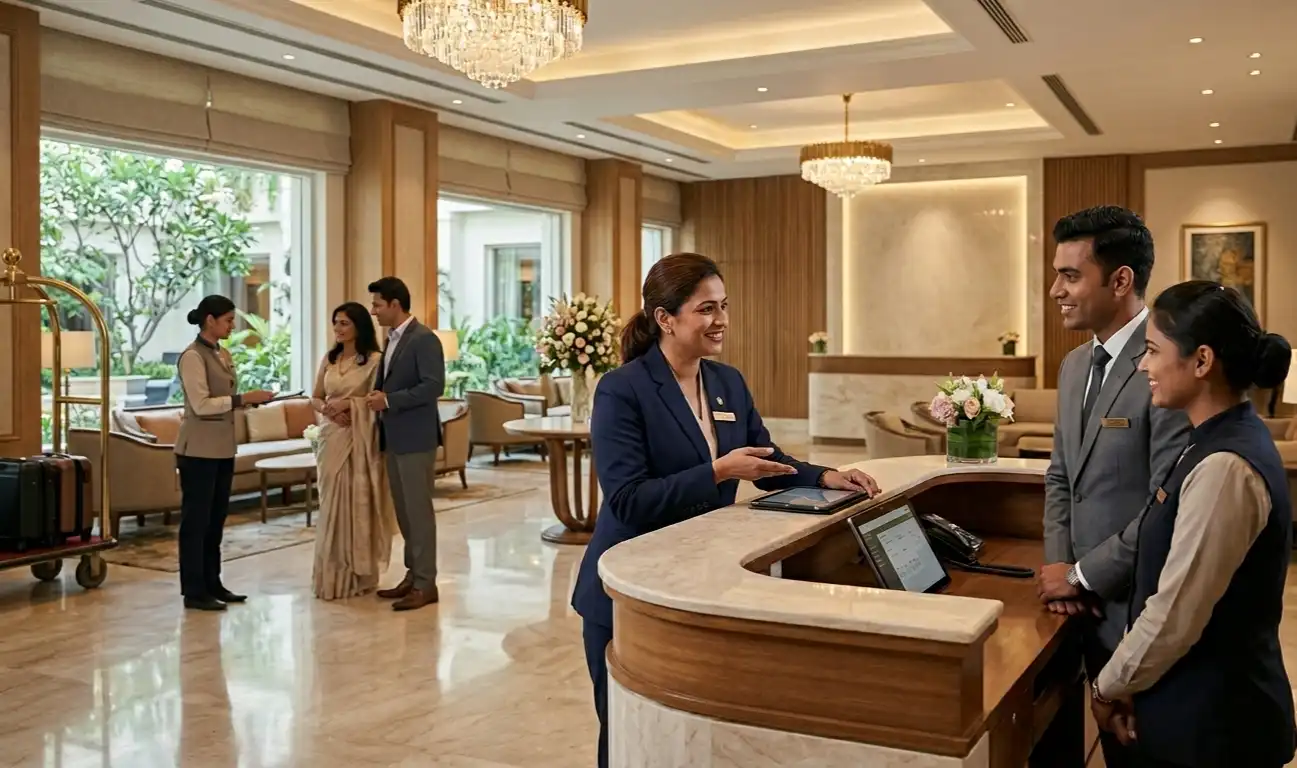
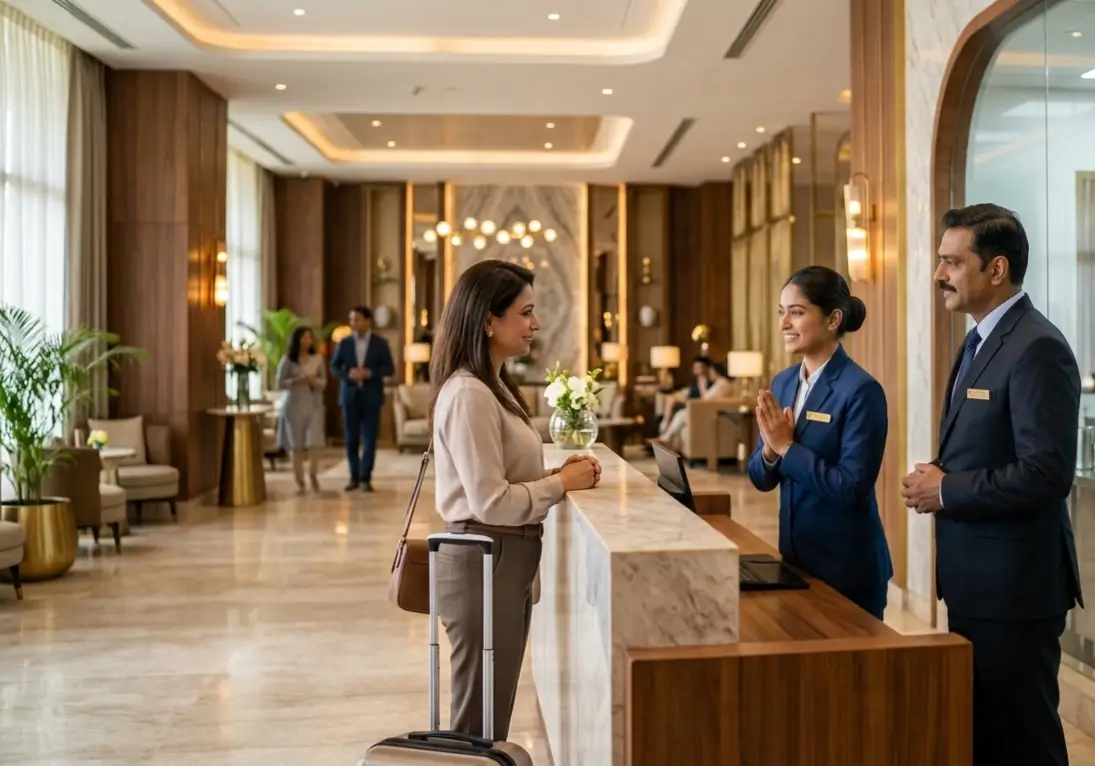
Guest experience is at the centre of hospitality operations. Every interaction influences how guests feel about a property and whether they choose to return in the future.
Hospitality leaders directly influence guest experiences by the following:
Leaders establish expectations for how guests should be treated. Clear standards help employees provide consistent service across departments.
When staff members receive proper training and guidance, they are better prepared to meet guest needs and handle challenges professionally.
Guest reviews and feedback provide valuable information. Effective leaders use this information to improve services and address recurring concerns.
Occasionally, problems occur despite careful planning. Strong leaders know how to resolve issues quickly and turn negative experiences into positive outcomes.
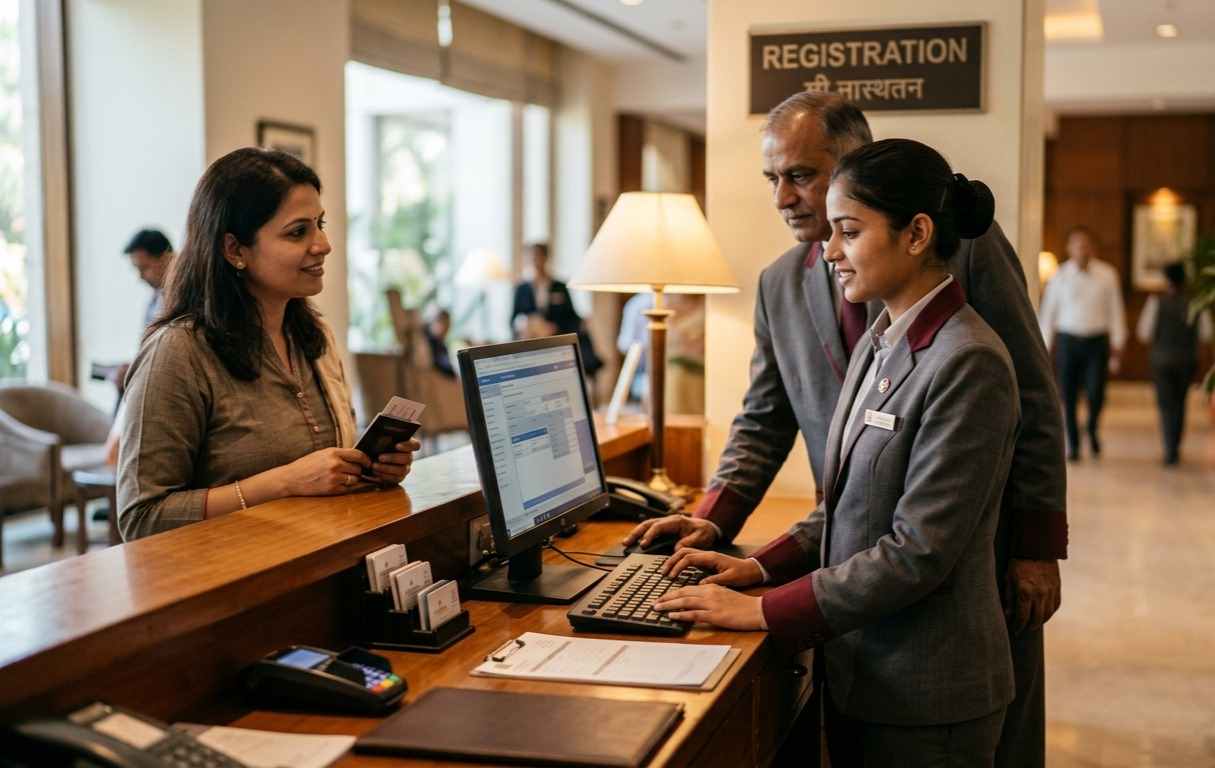
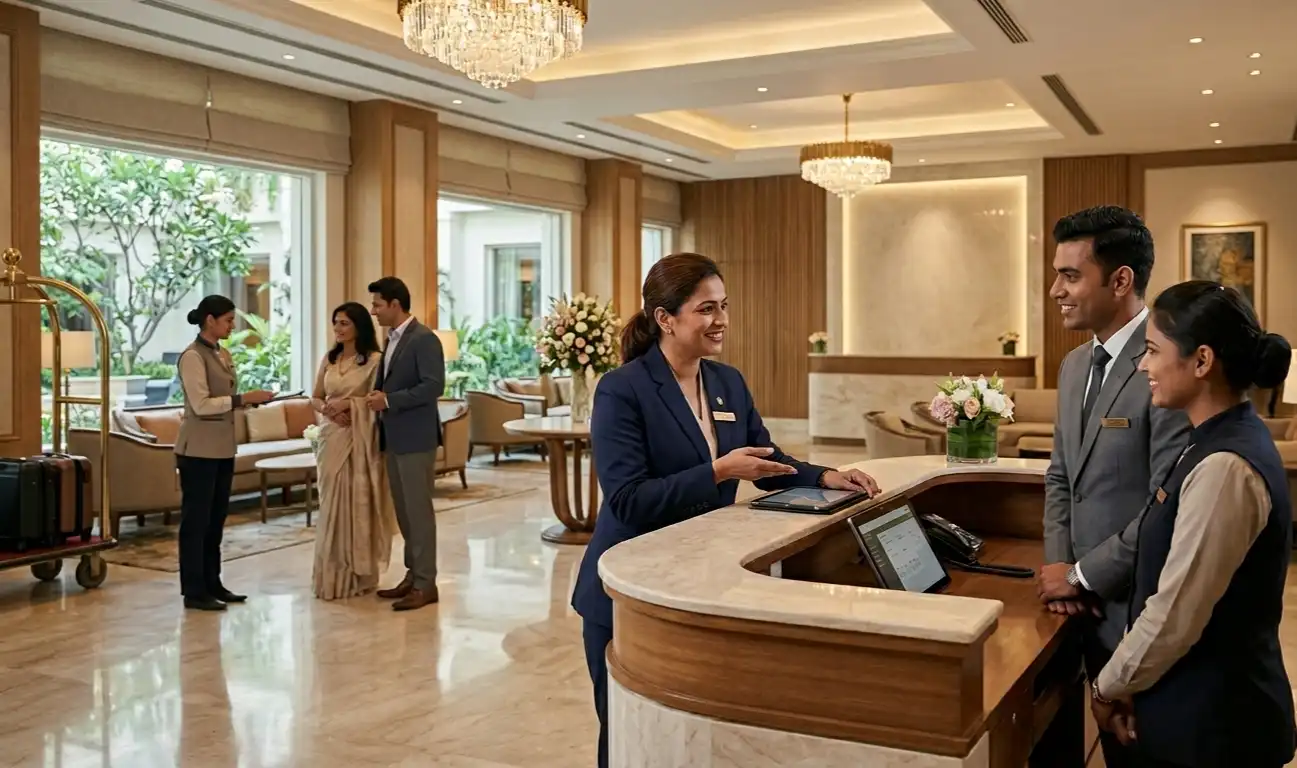
Hospitality operations involve coordination between multiple departments such as front office, housekeeping, food and beverage service, sales and guest relations.
Clear communication helps employees understand their responsibilities and reduces misunderstandings that may affect guest service.
Strong communication also allows leaders to build trust and maintain positive working relationships.
Hospitality professionals interact with people from different backgrounds, cultures and expectations.
Emotional intelligence helps leaders to:
Leaders who understand people are often more effective in creating productive work environments.
Unexpected situations are common in hospitality.
Examples include:
Hospitality leaders must remain calm under pressure and make practical decisions that support both guests and business operations.
A successful hospitality operation depends on teamwork.
Leaders must know how to:
Strong teams often deliver better service and contribute to a positive workplace culture.
Hospitality leaders are responsible for more than just guest satisfaction. They must also understand business performance.
Financial knowledge helps leaders manage:
Budgets
Revenue targets
Operational costs
Resource allocation
Business planning
This balance between service quality and financial performance is an important aspect of hospitality leadership.
Leadership in hospitality comes with unique responsibilities.
Hospitality organizations often employ people from different educational, cultural and professional backgrounds.
Leaders need to develop a work environment that supports teamwork and cooperation. .
Modern guests expect fast service, personalized experiences and immediate solutions when issues arise.
Leaders play a key role in helping teams meet these expectations.
Providing excellent service once is not enough. Hospitality businesses must deliver consistent experiences every day.
Strong leadership helps maintain service standards across departments.
Technology, guest preferences and market conditions continue to change. Hospitality leaders must remain flexible and open to learning new approaches.
Employers today seek more than technical knowledge when hiring hospitality graduates. Recruiters often look for candidates who demonstrate:
Leadership potential
Professional communication
Confidence
Teamwork abilities
Customer service skills
Adaptability
Positive attitude
Students who develop these qualities during their education often gain a competitive advantage when entering the job market.
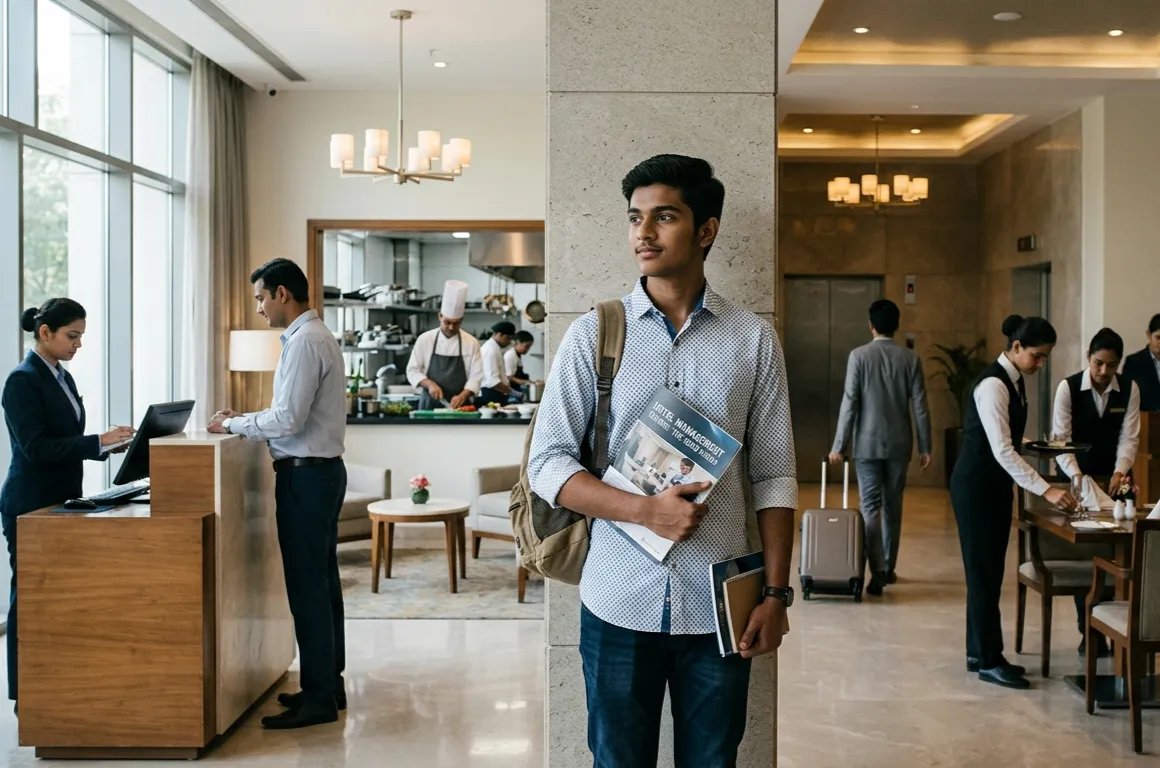
Leadership development begins long before reaching management positions. Students can strengthen their leadership abilities by:
Participating in Group Projects
Taking Part in Events
Completing Industry Internships
Seeking Feedback
Practicing Professional Communication
A successful hospitality career requires more than technical knowledge. It requires confidence, communication, professionalism and leadership skills that can be applied in real workplace situations.
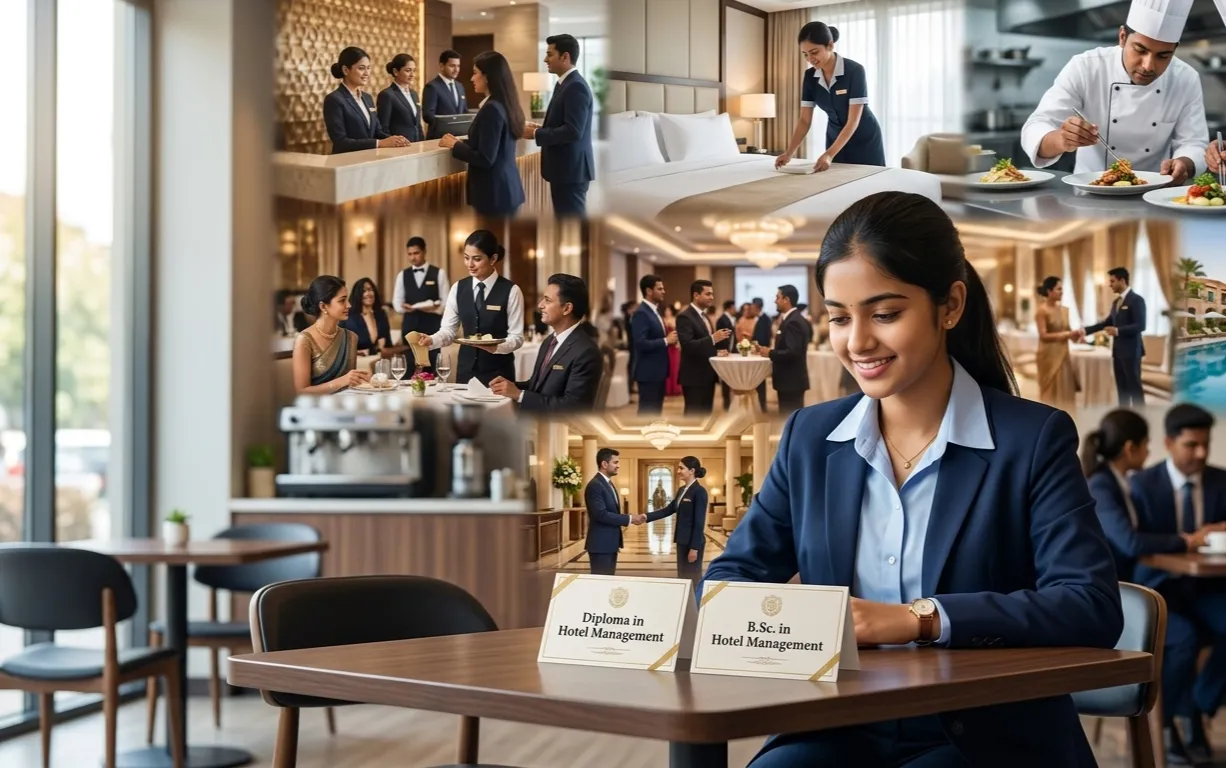
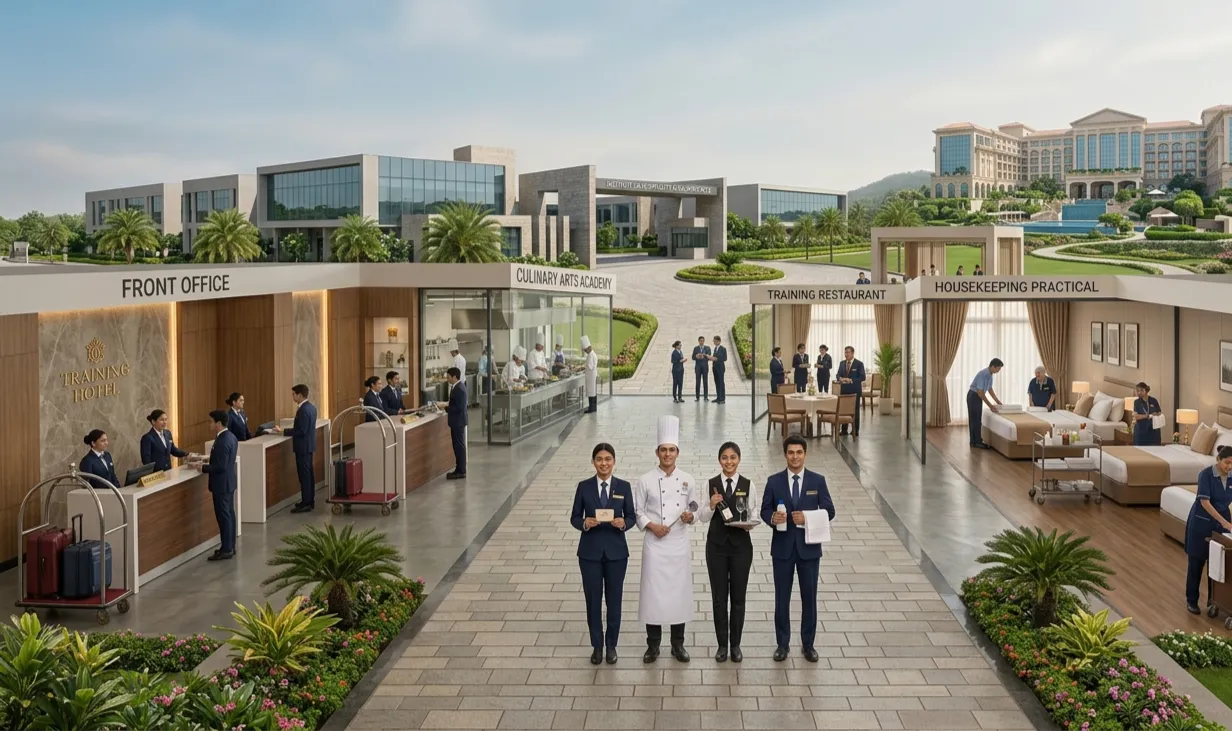
At Sri Maniya Hotel Management Institute, our students are encouraged to develop practical hospitality knowledge while strengthening the leadership qualities needed in modern hospitality businesses. Through academic learning, practical training, industry exposure and skill development activities, our students gain valuable preparation for careers in hotels, restaurants, resorts, tourism organizations and other hospitality sectors.
Hospitality leadership is one of the most important factors behind successful hospitality operations. From managing teams and solving challenges to improving guest experiences and supporting business growth, leadership influences every aspect of the industry.
Students who develop leadership skills alongside hospitality knowledge position themselves for greater career opportunities and long-term professional growth. As the hospitality industry continues to expand, organizations will continue seeking professionals who can guide teams, maintain service standards, and create memorable guest experiences through effective leadership.