Blogs
Soft Skills Every Student Must Build in a Hotel Management Institute in 2026

Blogs
Soft skills for hotel management students in 2026 include communication, teamwork, leadership, and emotional intelligence. Learn key skills needed for success in the hospitality industry and career growth.
The hospitality sector is evolving faster than ever. What truly sets graduates apart is the way they communicate with guests, collaborate with colleagues, and respond to everyday workplace challenges. For students enrolled in a hotel management institute, building strong soft skills has become just as important as mastering core subjects. Qualities such as clear communication, emotional awareness, adaptability, and problem-solving directly shape professional conduct, influence guest satisfaction, and create the foundation for steady, long-term career growth in the hospitality industry.
This article explores the most important soft skills for hotel management students and explains why they are essential for success after completing a hotel management course.
The hospitality industry is built around people. Hotels, resorts, restaurants, and cruise lines rely on human interaction to deliver positive guest experiences. While technical knowledge can be taught through structured training, soft skills such as empathy, communication, and adaptability develop through practice and real-world exposure.
Hospitality soft skills help students handle situations such as guest complaints, high-pressure environments, and teamwork within multicultural settings. A strong foundation in these skills prepares students for leadership roles and improves employability across global hospitality markets.
Emotional intelligence is one of the most essential soft skills for hotel management students. It involves understanding one’s own emotions and responding appropriately to the emotions of others. In guest-focused environments, emotional awareness helps students stay composed during conflicts, demonstrate empathy, and maintain professionalism under pressure.
Students trained in emotional intelligence are better equipped to understand guest expectations, manage workplace relationships, and contribute to a positive service culture.
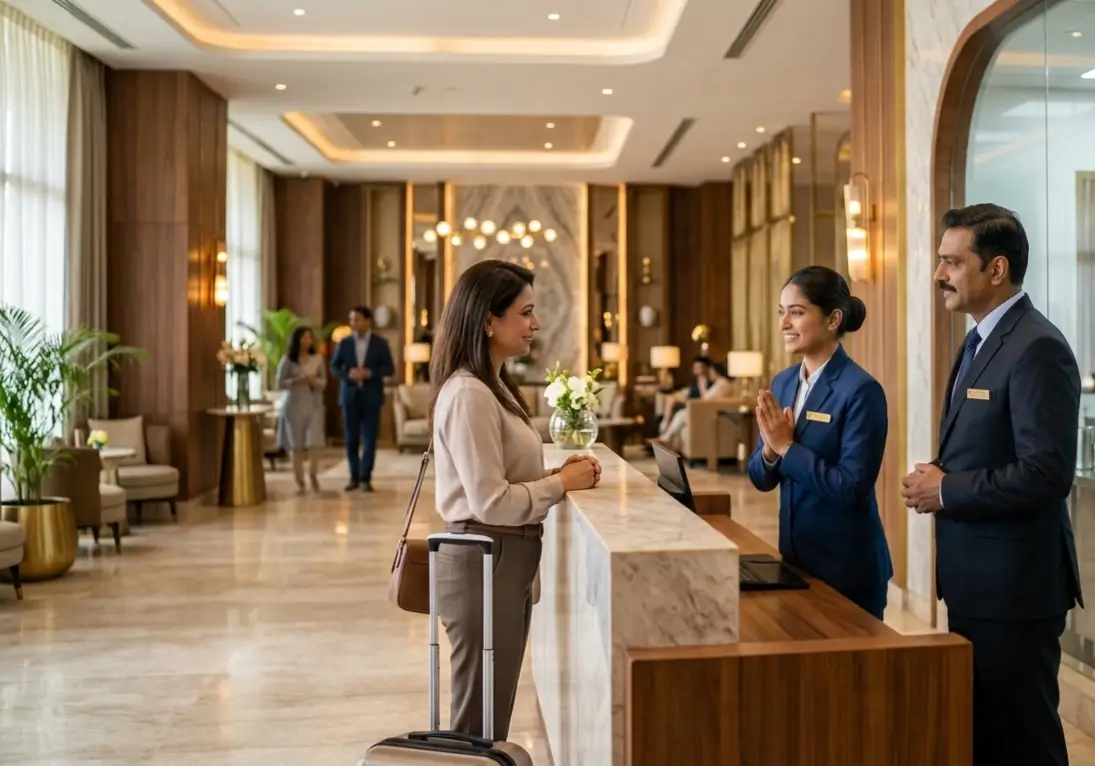
Clear communication is essential at every operational level in hotel management. Students must learn to speak confidently, listen attentively, and write professionally. Effective communication ensures smooth coordination between departments and reduces service errors.
Strong verbal and nonverbal communication also improves guest satisfaction. Whether managing front desk interactions, taking orders, or responding to feedback, communication remains a core hospitality industry skill.
Hotels serve guests from diverse cultural, linguistic, and social backgrounds. Cultural competency enables students to understand differences in behavior, preferences, and expectations. Respect for diversity is no longer optional. It is a professional requirement.
Hotel management training should include cultural awareness to help students deliver inclusive service and avoid misunderstandings with international guests.
Customer Service Excellence
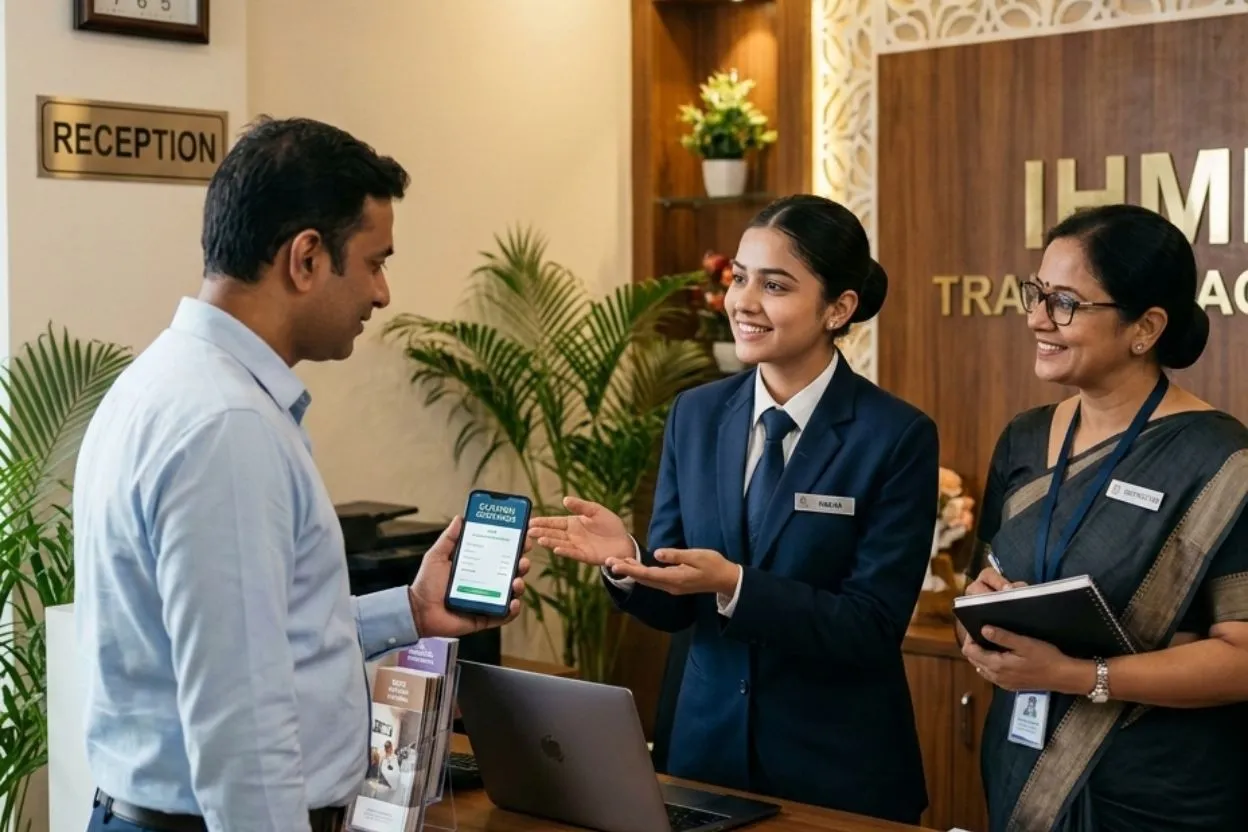
Customer service in hospitality goes beyond basic politeness. It involves anticipating guest needs, personalizing interactions, and creating memorable experiences. Students must learn to exceed expectations rather than simply meet them.
In competitive hospitality markets, exceptional service strengthens brand loyalty and encourages positive reviews, making customer service excellence a core skill for future professionals.
Hospitality operations depend on effective teamwork. From housekeeping and front office to food and beverage services, departments must work in coordination. Teamwork teaches students to share responsibilities, respect different roles, and support colleagues during peak hours.
Strong collaboration improves operational efficiency and contributes to a healthy workplace culture, which directly affects the guest experience.
The hospitality environment is unpredictable. Guest expectations change, staff shortages occur, and unexpected issues arise daily. Adaptability allows students to respond effectively without compromising service quality.
Flexibility is an important skill after completing a hotel management course, as it enables graduates to work across shifts, departments, and responsibilities.
Problem-solving is a critical hospitality career skill. Whether resolving booking errors or addressing guest complaints, logical thinking and timely decisions help prevent dissatisfaction.
Students trained in problem-solving develop confidence in decision-making and learn to balance guest needs with operational policies.
Leadership skills are essential for career progression in hospitality. Leadership is not limited to managerial roles. It also includes taking initiative, guiding peers, and maintaining professional standards.
Effective leaders promote teamwork, ensure discipline, and support smooth operations. A hotel management institute should encourage leadership development from the early stages of training.
Hospitality professionals often manage multiple tasks within limited timeframes. Time management helps students prioritize responsibilities, meet deadlines, and maintain service standards during busy periods.
Organisational skills also reduce stress and improve productivity in demanding hospitality environments.
Attention to detail plays a significant role in hospitality. Cleanliness, presentation, service timing, and accuracy all influence guest satisfaction. Consistency in these areas reflects professionalism and operational discipline.
Employers often notice this skill during internships and placement assessments.
Although technology skills are often viewed as technical, basic digital awareness supports efficient service delivery. Familiarity with property management systems, reservation software, and digital communication tools improves operational accuracy.
Students with technology awareness adapt more easily to modern hotel operations and evolving guest expectations.
Sustainability has become a priority within the hospitality industry. Guests increasingly value eco-conscious practices and responsible operations. Awareness of sustainability helps students align with current industry standards.
Environmentally responsible practices also contribute to long-term business stability and brand reputation.
A quality hotel management institute plays a vital role in developing these soft skills. Practical training, internships, role-playing activities, and industry exposure help students apply classroom knowledge in real hospitality settings.
For students seeking a hotel management institute in Tamil Nadu, selecting an institution that balances technical education with soft skill development is essential for building a successful hospitality career.
In 2026, success in hospitality depends on more than technical expertise. Soft skills for hotel management students shape how effectively they interact with guests, handle challenges, and progress professionally. Skills such as communication, emotional intelligence, leadership, and adaptability define long-term success in a people-driven industry. The internship at Sri Maniya Institute provides real-time experience in the world-famous tourist destination Kanyakumari, where visitors from many places come. This kind of experience is highly valuable.
By developing these hotel management course skills during training, students can enter the workforce with confidence and build rewarding careers in a competitive global hospitality sector. Sri Maniya also has industry partnerships that support access to international career opportunities.
FAQ
Why are soft skills as important as technical knowledge in hotel management in 2026?
Soft skills drive guest satisfaction and smooth operations while complementing technical training. They enable effective handling of guest interactions, conflict resolution, and cross-department collaboration, boosting employability and career growth.
Which soft skills are most critical for hotel management students, and how can they be developed?
Key skills include emotional intelligence, clear communication, cultural competence, customer service, teamwork, adaptability, and leadership. Develop them via role plays, internships, cross-department projects, and feedback-driven practice.
How does a hotel management institute help build these soft skills, and what should students look for when choosing one?
A hotel management institute builds soft skills through practical training, guest interaction, group projects, and internships. Students should choose institutes that offer strong industry exposure, leadership development, and internships in popular tourist destinations where people from different cultures visit.