Research
The Ultimate Profit Booster: Masala Papad and 5 Low-Cost Dishes That Quietly Max Out Restaurant Margins


Research
In the fast-paced food and beverage industry, every restaurant owner strives for one simple equation: lower costs and higher profits without compromising on quality or customer satisfaction. The secret doesn’t lie in fancy ingredients or sophisticated techniques. Instead, the secret lies in smart menu engineering. The key is to identify dishes that have low preparation costs, zero wastage, high visual appeal, and strong perceived value.
When you design your menu strategically, you give customers what they want. This can be flavour, freshness, and convenience. While quietly maximising your margins. These items work seamlessly across quick-service joints, cafes, restaurants, food trucks, and fine-dining setups alike. And at the top of this list stands one of the simplest yet most profitable dishes you can serve: Masala Papad.
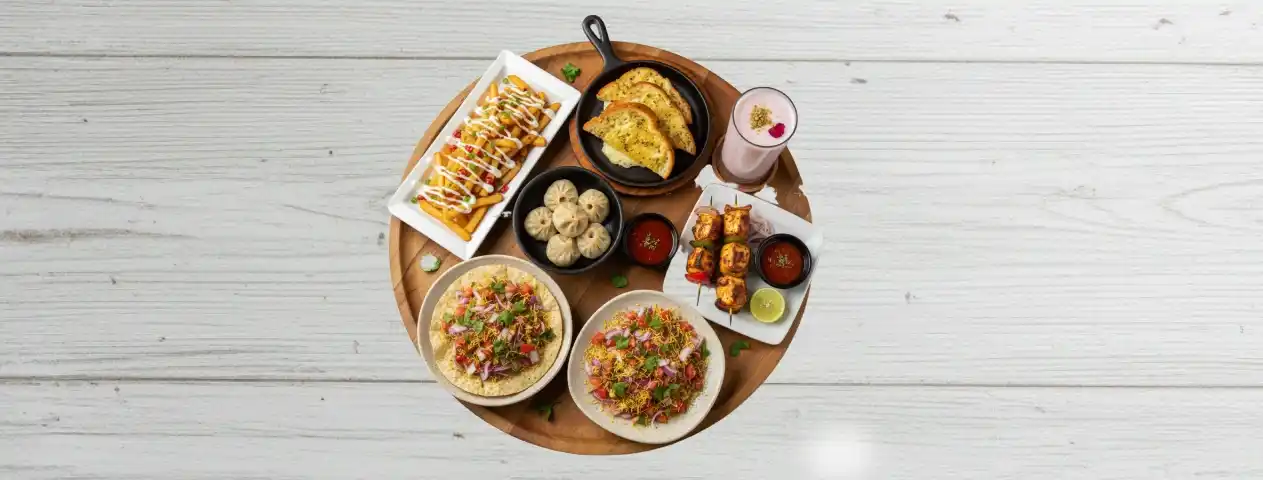
Masala Papad is a masterclass in smart menu design. It costs next to nothing to prepare, yet it looks colourful, feels light, and sells as a “premium” starter. All you need is roasted or fried papad and a sprinkling of chopped onions, tomatoes, coriander, and spices. With minimal effort, you can chop, sprinkle, and serve. You’ve created a plate that customers love to order again and again.
The magic lies in its psychology. Customers perceive Masala Papad as a light, “safe” snack, which makes them happy to order it as an add-on. This small dish increases the average billing per table while keeping the kitchen workflow smooth. For cafes, restaurants, and food trucks, it’s the perfect quick-turnaround item. In short, Masala Papad isn’t just a snack—it’s a silent profit engine.
Loaded fries transform a cheap ingredient into a crowd-puller. The cost of basic fries is minimal, yet when topped with cheese, sauces, and herbs, the dish instantly looks indulgent and Instagram-worthy. Teenagers and groups order it without hesitation, making it a powerful tool for boosting sales volume.
Another advantage is customisation. You can offer variations like classic cheese, spicy peri-peri, or tandoori mayo and encourage repeat orders. The preparation is simple, quick, and consistent, which keeps your kitchen running efficiently during busy hours.
Cheese Garlic Bread perfectly balances simplicity and premium appeal. Made from basic ingredients like bread, butter, garlic, and cheese, its low food cost combines with high visual and aromatic appeal. The sizzle of melted cheese and the aroma of buttery garlic create instant cravings among diners.
You can enhance profitability by offering bite-sized portions for cafes or larger platters for dine-in restaurants. Since it requires minimal equipment and no expert chef, cheese garlic bread becomes a strategic ally during peak service times. High perceived value, low cost, and speedy preparation make it a consistent bestseller.
Momos have become a pan-Indian favourite. The dough is simple. They are made from flour and water, while fillings can be inexpensive vegetables or minced chicken. Steaming requires no oil, making the dish both healthy and easy to manage.
Customers love momos for their comfort factor and variety. The real profitability comes from the dips and sauces served alongside. Spicy chilli sauce, tandoori mayo, or schezwan chutney can all justify a slightly higher menu price. The result is a healthy profit margin and a dish that encourages repeat visits.
For restaurants aiming to increase turnover without adding complex operations, momos tick every box: low-cost ingredients, high repeat demand, and customisable presentation.
Drinks are some of the highest-margin items on any menu, and Sweet Lassi is no exception. Made from curd, sugar, and flavouring agents like mango, rose, or cardamom, lassis are incredibly cheap to produce yet highly profitable.
They require no cooking, no waiting time, and virtually no wastage. You can batch-prep the base and flavour it to order. On hot days, a chilled lassi sells faster than many desserts, giving customers a refreshing, indulgent experience while boosting your beverage sales. For restaurants focused on fast service, lassi variants can easily become star performers in your drinks menu.
Tandoori starters, especially paneer-based ones, have a strong perceived value across all customer segments. Paneer is a cost-effective protein when purchased in bulk, and marination costs are minimal. The cooking technique, like grilling or tandoor baking, is quick and visually appealing.
The sizzling platter, aromatic smoke, and vibrant colours make it look premium, encouraging diners to order it almost instinctively. Since it’s a “must-order” starter for many, its inclusion strengthens both the visual appeal and profitability of your menu. For chefs, it’s easy to batch-prep, reducing pressure during high-volume service hours.
In hospitality, profitability isn’t just about selling more. It’s about selling smart. Dishes like Masala Papad, Loaded Fries, Momos, and Lassi share one common trait: they deliver exceptional perceived value with minimal input cost and negligible complexity.
Adding such items provides multiple advantages:
Train your servers to recommend these dishes subtly, and your restaurant’s revenue graph will start climbing without any major operational changes. This is what good menu engineering looks like when using psychology, presentation, and cost control to create financial success.
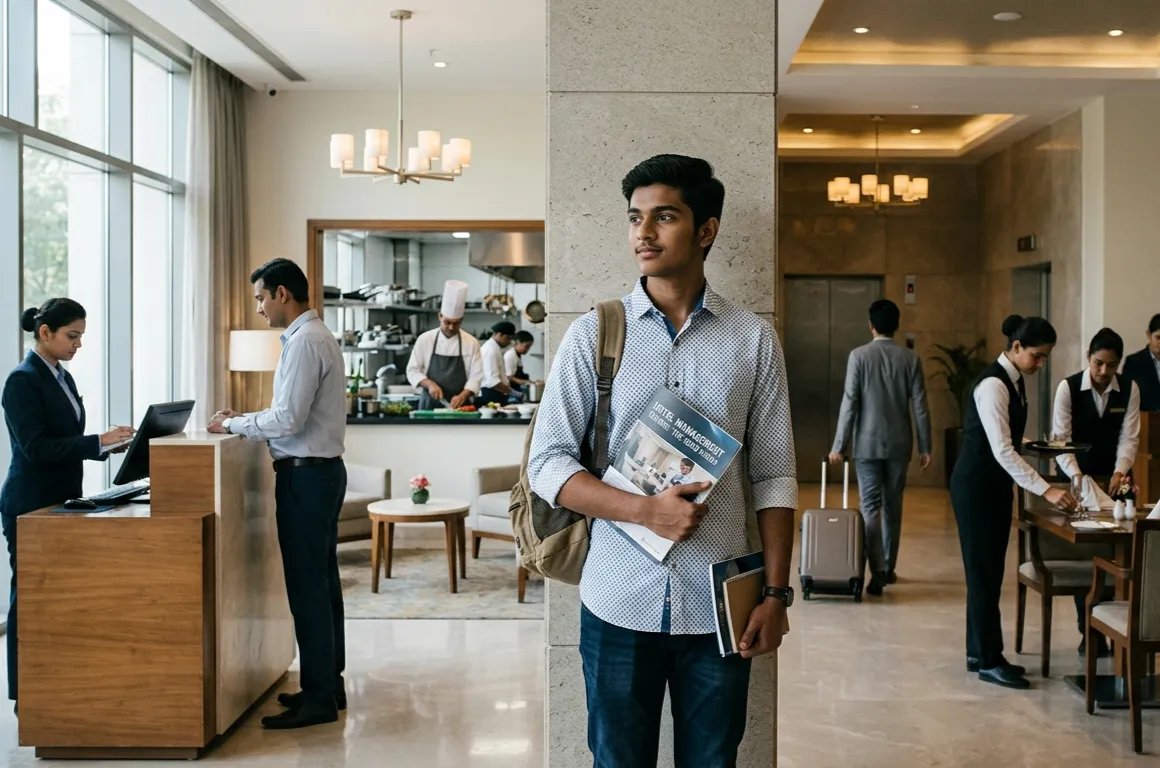
Understanding profit drivers like these is crucial for anyone pursuing a career in hospitality management. Behind every successful restaurant lies a team that knows how to balance creativity with business acumen.
At the Sri Maniya Institute of Hotel Management, students learn this exact balance—how to craft menus that are delicious, efficient, and profitable. The curriculum focuses not just on culinary skills but on understanding cost control, pricing strategy, and customer psychology.
For students exploring a hotel management course after the 10th, this concept is your first lesson: simplicity, efficiency, and profitability often come from everyday dishes. Whether it’s a crisp Masala Papad or a sizzling Paneer Tikka, each menu decision shapes a restaurant’s bottom line.
So, as you take your first steps into hotel management, remember this principle: the smartest restaurants don’t just serve food—they serve strategy. And it all begins with understanding the power of low-cost, high-margin items that keep customers happy and your profits healthy.